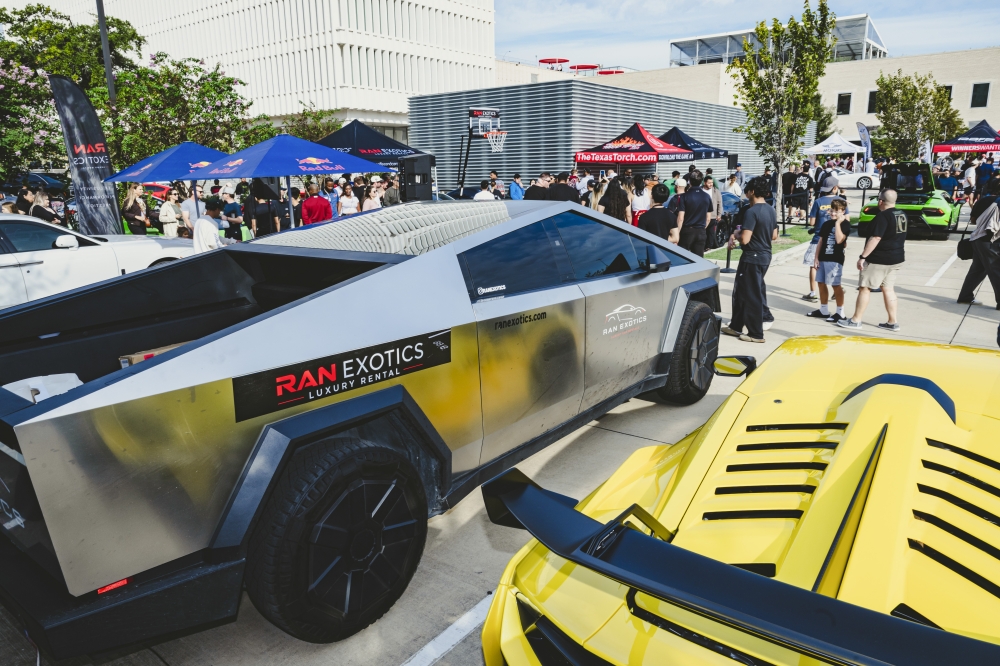


Cybertruck, we hardly knew you. Or maybe we knew you too well.
On Friday, Tesla announced the death of its angular, norm-shattering pickup, a sci-fi stainless-steel origami shark on wheels laden with tons of cultural baggage. It was 3 years old.
Its end came on the concrete floors of Tesla’s Gigafactory Texas, after its creator, Elon Musk, said in a post on his social platform, X, that production will cease this coming summer. The factory was built to churn out 250,000 Cybertrucks a year, but amid a torrent of negative attention from Wall Street analysts, internet meme architects and everyday truck buyers, it produced only about 1/10 of that.
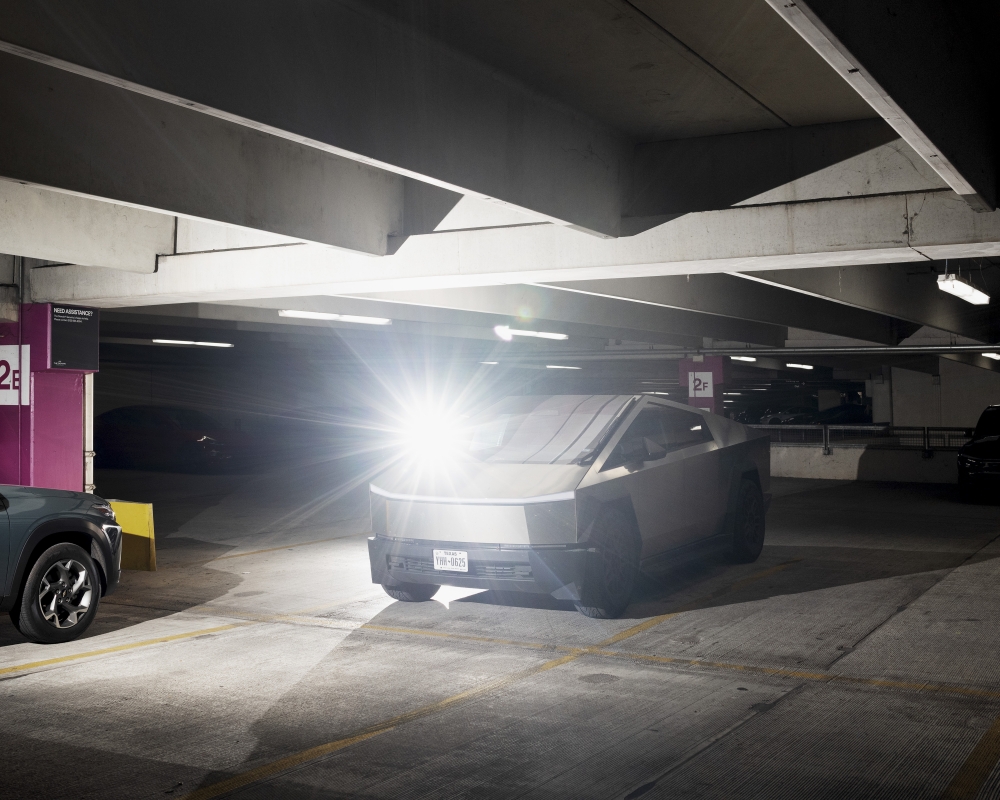
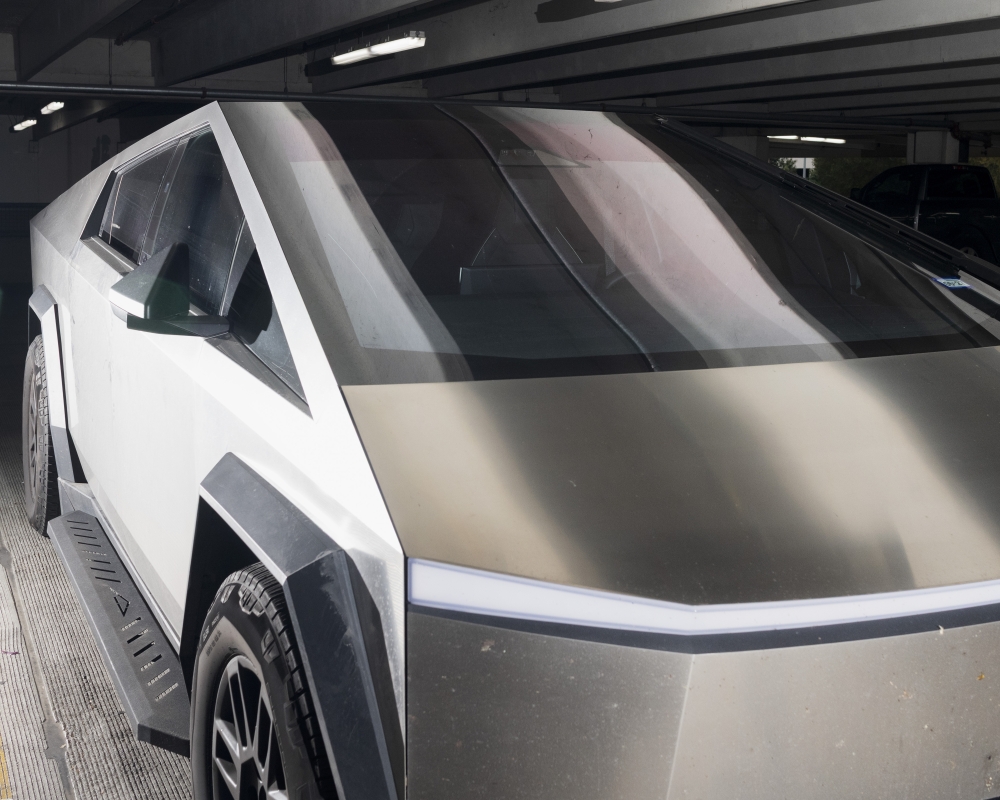
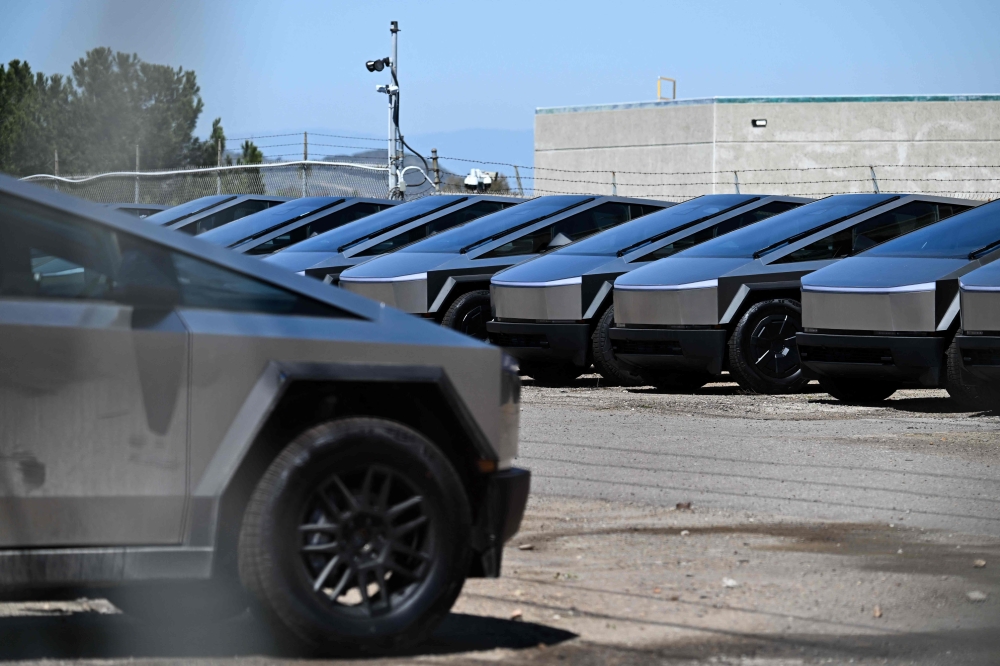
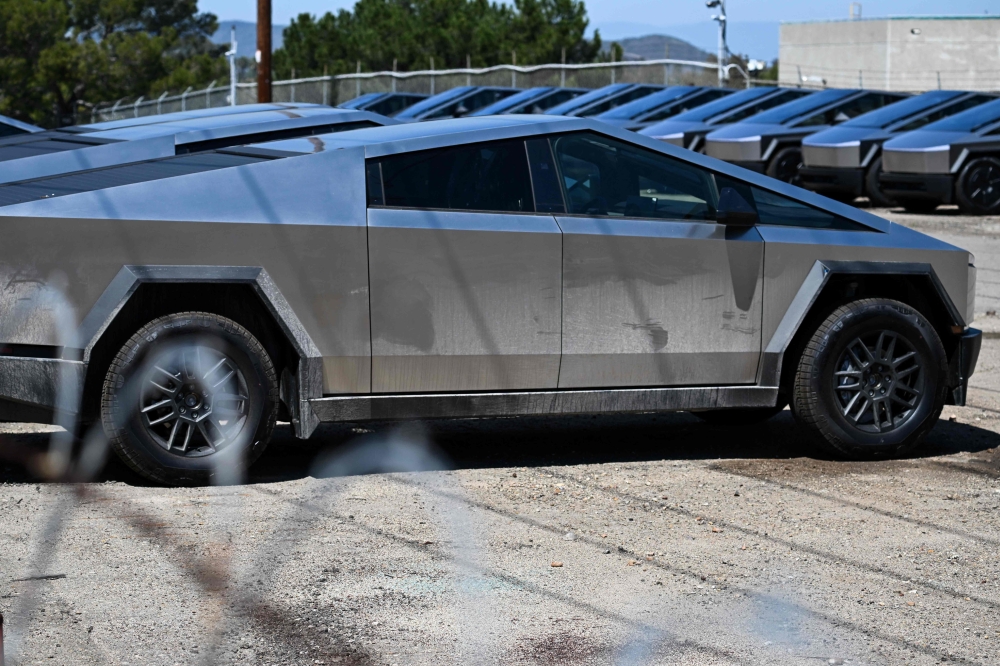
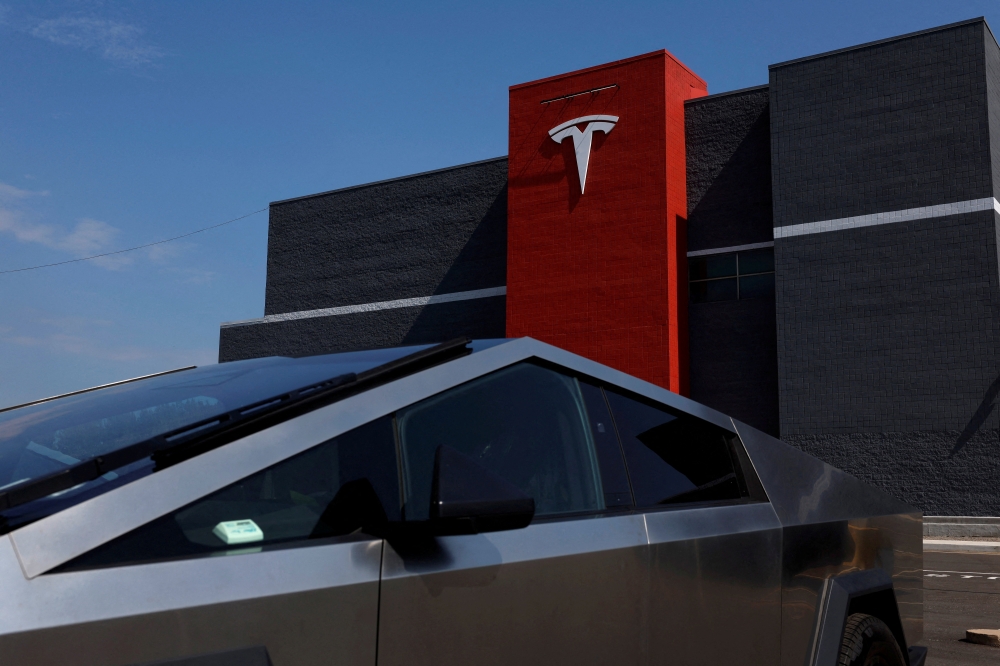
Response to news of Cybertruck’s passing has been ... polite.
“Cybertruck, I can say this, we will always remember you,” Mike Ramsey, an auto industry analyst at Gartner Inc., said Friday in an interview from Detroit. “You were the most distinctive vehicle that nobody asked for.”
The sudden demise, after Tesla sunk about $2 billion into development and production, led many people to compare Cybertruck to the ultimate business-school example of a flop, the Ford Edsel. But that’s really not fair. The Edsel sold far more vehicles.
From the beginning, Cybertruck took an unusual road, born not in a standard automotive design studio, but in the mind of Musk, who drew inspiration largely from decades-old dystopian movies about the future.
When it debuted on a stage full of smoke and lasers in California in November 2019, the angular metal exoskeleton landed like a monolith dropped by aliens.
It was shocking, transformative, and maybe, a bit ugly?
Skeptics mocked it as an aerodynamic absurdity, saying it resembled a dumpster, a space-age doorstop, an El Camino mated with a cheese grater, even a “fascist Toblerone.”
But legions of techno-optimist believers lauded the audacity of a company trying to get the visionary — if a bit dumpstery — design onto public asphalt through sheer force of will. They put down refundable deposits by the hundreds of thousands.
Musk promised a future where a bulletproof, amphibious electric truck with a range nearly as broad as Texas and acceleration that could beat a Porsche in a drag race could be bought for about $40,000.
“The goal is to kick the most amount of ass possible with this truck,” he told Automotive News in 2020 when the truck was still in development.
If people found it funny-looking and a bit creepy, perhaps that was the point. Innovation is disruptive.
“Customer research?” Musk told Automotive News. “We just made a car we thought was awesome and looks super weird. I just wanted to make a futuristic battle tank.”
To show the world that Cybertruck was not just another organic-grocery-getting electric vehicle, Musk, at its 2019 debut had his chief designer hurl steel balls at the armored glass windows. That the windows immediately shattered in front of a stunned audience was unfortunate. Or was it? Maybe it was on purpose. Musk just chuckled when the glass broke.
“Well,” he said. “Room for improvement.”
The model that finally rolled off the production line in Texas after years of delays offered less than promised at about twice the price.
At the same time, Musk built himself into a very public and polarizing figure. He gave nearly $800 million to conservative political causes, waved a chain saw in front of cheering conservatives as czar of the short-lived Department of Government Efficiency, and in the process alienated a large portion of people who might buy an electric pickup.
Cybertruck became a culture war on wheels. Sales didn’t exactly take off.
The type of person who tended to drive the truck didn’t help.
“When you see a Cybertruck, the automatic assumption is that it’s being driven by a guy — and it’s almost always a guy — probably with some kind of goatee, likely compensating for something, so desperate for attention that he will take negative attention,” Ramsey said. “There’s a word for these kind of guys. You probably can’t print it.”
Parked Cybertrucks became a target for growing anger at President Donald Trump and Musk. Vandals graffitied the steel sides with four-letter words: often, “Nazi.” Other drivers regularly gave the one-finger salute.
But among people who own a Cybertruck, love ran deep. The futuristic, zombie-apocalypse-proof design, the spacious interior, the raw power, the self-driving capability, the way the truck caused 6-year-olds to stop and point — all made Cybertruck like no other vehicle.
Brian White in Leander, Texas, bought one this year and fell in love.
Fun to drive, safe, reliable, cool-looking. He said all other cars in his future would now pale against the Cybertruck.
“Cybertruck” was one of the first words his toddler son learned. The announcement of its death hit hard. “The news felt like — it sounds stupid — like I lost a family member,” he said.
Even owners who find the looks less than inspiring still feel privileged that they have experienced a vehicle that has no clear equal.
Matt Holm, president of the Tesla Owners Club of Austin, Texas, said his wife thinks the car looks “like a mechanical cockroach.”
“OK, I can’t unsee that,” he admitted in an interview Saturday.
But the shock of its appearance is what drew Holm in the first place. He was standing in the crowd in 2019 when Cybertruck debuted. The smoke cleared; the angles of the truck appeared. Amid an awed silence, Musk waved his hand along the steel carapace and said, “Doesn’t look like anything else.”
While others in the crowd laughed, Holm said he thought to himself, “Oh my God, that’s amazing! I want that! Like, what is that obscene looking thing? He’s punking us!”
It was more than a pickup. It was art. Holm got one of the first models that rolled off the production line. He joined the first few owners who watched the stares of more conventional drivers as Musk’s dystopian vision of the future passed them in the right lane.
It was like seeing Pablo Picasso unveil a Cubist masterpiece to immediate uproar, Holm said.
Picasso’s forays into the avant-garde shocked even fellow artists, who dismissed some of his most famous paintings as monstrosities, bad jokes, an affront to art itself.
Now, we see them differently. Cybertruck, maybe your day will come.
“It’s pushing the limits of design, and it’s definitely divisive,” Holm said. “But it opens up the language to other things. And, you know, that is not always appreciated in its day.”
This article originally appeared in The New York Times.
Oman Observer is now on the WhatsApp channel. Click here